Simple Steps to Start Your Personal Growth Journey with Ease
Busy Tennessee adults juggling work, family, and wellness often want personal growth for one simple reason: less stress, fewer tight shoulders, and more steady calm. The core challenge is that beginner personal development can feel like another task to “get right,” especially when common personal growth misconceptions insist it must be dramatic, fast, or perfectly planned. That pressure turns stress management desires into self-criticism, and relaxation and well-being goals into something that keeps getting postponed. Real progress starts with small, realistic shifts that fit the life already being lived.
May 28, 2026
What Personal Growth Really Means
Personal growth is the practice of becoming a little more capable and a little more calm, one choice at a time. It is not a glow-up, a personality makeover, or a 30-day “new you.” At its core, self-improvement means noticing what helps, adjusting what hurts, and repeating what works.
Mindfulness is not emptying your mind; it is paying attention without beating yourself up. Self-awareness is not overthinking; it is catching patterns early so stress does not run the show.
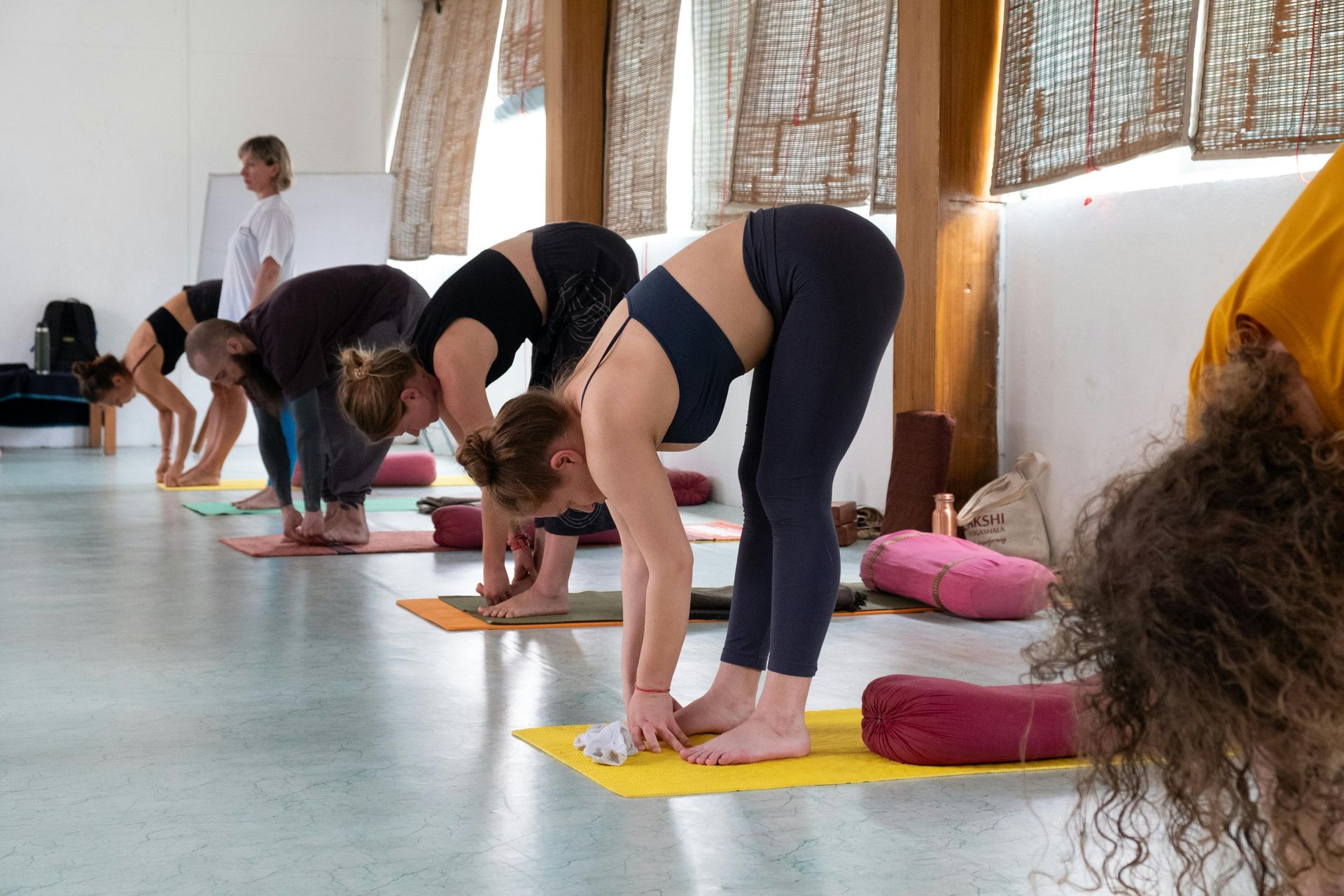
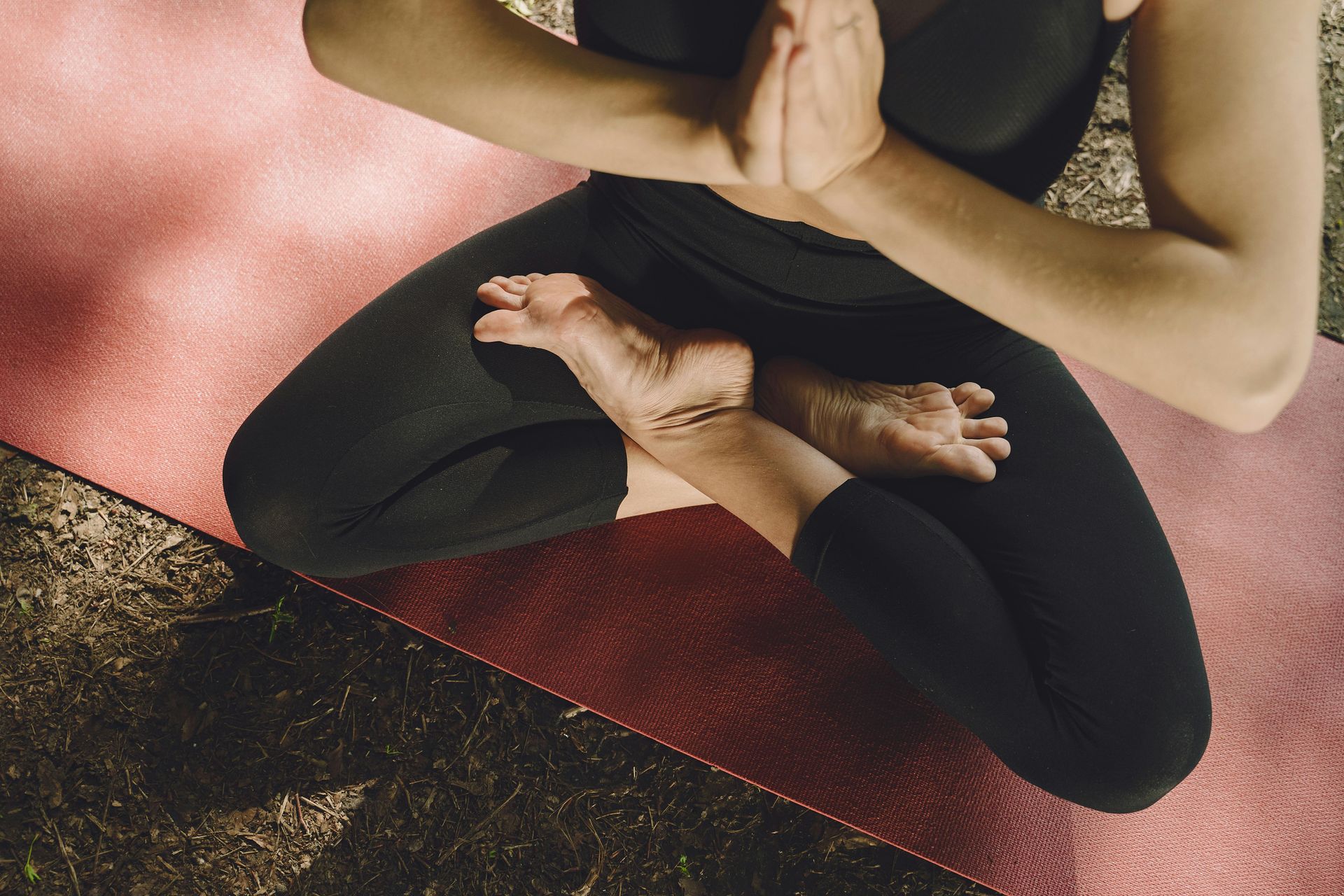
Think of it like booking a massage and trying a gentle yoga class. Progress is not forcing deep stretches; it is sensing your limits, breathing, and leaving with less tension. If you can name one trigger and choose one kinder response, you are growing.
With your definition clear, structured steps like school can become a practical path to a better role.
Earn a Degree to Level Up Your Career Options
Once you know personal growth is about becoming more capable over time, it can also include building skills that open doors at work.
Going back to school can be a structured way to move toward a more rewarding job while also increasing your earning potential, especially if you’re aiming for roles with more responsibility. Online degree programs make it easier to keep working full-time while staying on top of your studies. If you’re considering business as a path, a master’s in business administration can strengthen your leadership, strategic planning, financial management, and data-driven decision-making skills so you can thrive across many different business settings. If you want a flexible program option to explore, this may help.
Next, we’ll shift from big moves like education to four simple growth habits you can actually keep up even during busy weeks.
Four Growth Habits You Can Keep on Busy Weeks
Try these easy practices to stay moving forward.
Small, repeatable habits beat big, occasional overhauls, especially when you are juggling work, family, and stress. These routines pair personal growth with relaxation-friendly support like accessible yoga and massage, so progress feels calm, doable, and sustainable.
Five-Minute Breathing Reset
- What it is: Do five slow belly breaths, then relax your jaw and shoulders.
- How often: Daily, before bed or after work.
- Why it helps: It downshifts stress so you can choose the next small step.
Two-Line Growth Journal
- What it is: Write one win and one “next try” in a notebook.
- How often: Daily.
- Why it helps: It builds a growth mindset and boosts self-efficacy.
Weekly Mentorship Touchpoint
- What it is: Send one question to a mentor, coach, or supportive peer.
- How often: Weekly.
- Why it helps: You get feedback faster and avoid spiraling in self-doubt.
Non-Negotiable Self-Care Appointment
- What it is: Schedule one accessible yoga class or massage session and protect it.
- How often: Weekly.
- Why it helps: Adults should aim for 150 minutes a week of activity, and gentle movement supports consistency.
Pick one habit today, then adjust the timing to fit your family.
Personal Growth and Wellness: Quick Q&A
Questions that come up when life gets busy.
How do I stay motivated when I feel tired after work?
Make the goal tiny: start with one breath cycle or one gentle stretch. A short massage or accessible yoga class can help your body feel safe enough to follow through. Track only the “showed up” moment so motivation can grow from success.
What if I only have five minutes, is that even worth it?
Yes, consistency beats duration when you are rebuilding momentum. Many people use exercise snacks to fit movement into real days without needing a full workout. Pick one five minute action and repeat it for a week.
When should I book yoga or massage so I do not keep skipping it?
Put it on your calendar like a meeting and choose a low-friction time, often right after work or weekend mornings. If you miss, reschedule within 24 hours so the habit stays alive.
Can I make progress without pushing through pain or stiffness?
You should not push through sharp pain. Choose accessible options, use props, and ask for modifications so the practice supports relaxation and function. If pain persists, check in with a qualified clinician.
How do I stop feeling like I am failing when I slip up?
Treat the slip as data, not a verdict, and write down one thing you did right. Taking notes on your accomplishments helps self-doubt loosen its grip. Then choose one “next try” that is easier than your last plan.
Gentle, repeatable steps can turn wellness into real momentum.
Build Personal Growth Momentum with One Simple 7-Day Practice
It’s easy to feel stuck between wanting to grow and not knowing how to stay consistent when life gets busy. The steady approach here is simple: focus on key personal growth takeaways, keep expectations realistic, and use small routines to build confidence instead of waiting for perfect motivation. When that mindset leads, practical steps for self-improvement start to feel doable, and setbacks become course-corrections, not stop signs. Pick one next step and practice it for seven days, then decide what to keep. Choose one habit to repeat daily for a week, like a short reflection, a brief walk, or a calm bedtime reset. Those ongoing wellness practices matter because they build resilience and steadier well-being over time.