How to Start a Yoga Practice as a Beginner
Yoga is a mind–body practice that combines movement, breath, and focused attention. If you’re curious about trying yoga for the first time, studio classes can be one of the most supportive ways to begin. The structure, guidance, and shared energy of a class often make it easier to build confidence and consistency.
April 29, 2026
A Quick Overview Before You Roll Out a Mat
- Yoga is for every body — age, size, and flexibility level don’t matter.
- You do not need to be flexible to start. Flexibility is something you build over time.
- Studio classes offer hands-on guidance, clear instruction, and community.
- Progress comes from going slow and listening to your body.
- What you wear and bring is simple — comfort and hydration are key.
Yoga Is for Every Body — Even If You “Can’t Touch Your Toes”
One of the biggest myths about yoga is that it’s only for people who are already flexible. In reality, flexibility is a result of practice, not a requirement.
Studios typically welcome beginners of all backgrounds. Instructors are trained to offer modifications — meaning you can adjust poses to fit your current strength, mobility, and comfort level. Blocks, straps, bolsters, and walls are tools that support you, not signs that you’re “behind.”
Yoga meets you where you are. Whether you’re stiff from sitting at a desk, returning to movement after a long break, or simply exploring something new, you belong in the room.
What Happens When You Walk Into a Studio for the First Time?
That first visit can feel intimidating. Here’s what to expect:
| Step | What It Looks Like | What It Means for You |
|---|---|---|
| Check-in | Front desk greeting, sign-in | You’ll likely be asked if you’re new — say yes! |
| Studio tour | Quick orientation | You’ll learn where to store shoes, grab props, and set up |
| Instructor intro | Brief conversation | Let them know you’re a beginner |
| Class begins | Breath + gentle warm-up | You ease in gradually |
| Cool-down + rest | Final relaxation (Savasana) | A few minutes of stillness to reset |
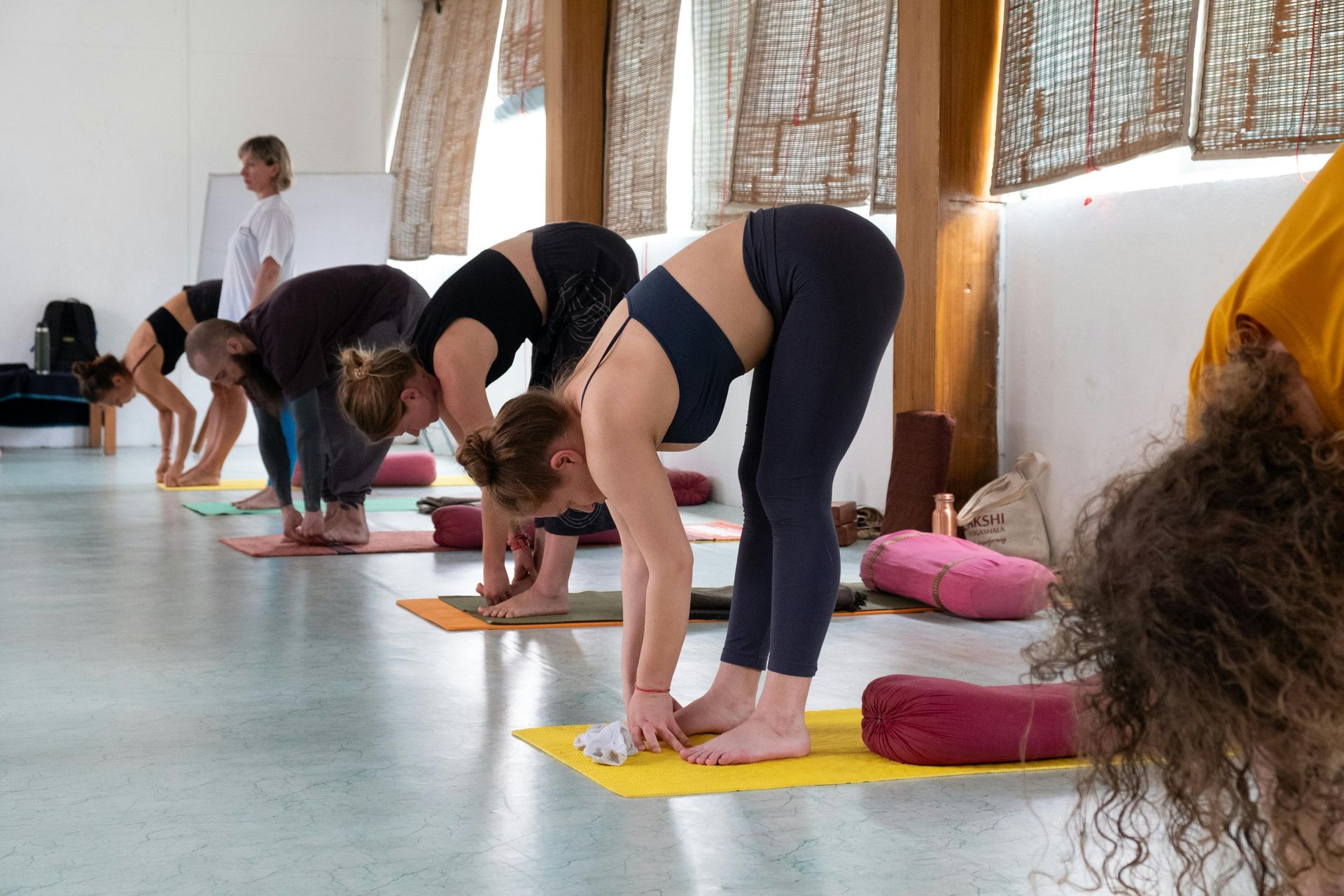
Most classes begin slowly. You’ll move through guided sequences, pause for instruction, and rest when needed. You are always allowed to take breaks.
Why a Studio Can Make All the Difference
Choosing the right studio is an important part of starting your yoga practice. A welcoming environment can ease nerves and help you build consistency.
Royal Massage and Yoga is an example of the kind of space that makes beginners feel at home. With a strong emphasis on community, it offers a supportive environment where wellness is accessible to everyone, regardless of experience. Instructors focus on meeting students where they are — helping each person develop a practice that fits their body and personal goals. That kind of atmosphere makes it easier to relax, ask questions, and grow at your own pace.
The Physical and Mental Benefits of a Regular Practice
Yoga supports both body and mind. Over time, you may notice:
- Improved strength and balance
- Increased mobility and joint stability
- Better posture and body awareness
- Reduced stress and anxiety
- More consistent sleep
- A stronger connection to your breath
The key is regularity, not intensity. A steady, moderate practice is far more sustainable than pushing too hard too fast.
Your First Class: What to Wear and Bring
Keep it simple.
Wear:
- Comfortable, stretchy clothing that stays in place
- A fitted top (so it doesn’t fall over your face in forward bends)
- Bare feet (most studios practice without shoes)
Bring:
- A yoga mat (many studios rent or lend them)
- A water bottle
- A small towel if you tend to sweat
- An open mind
That’s it. No special gear required.
How to Build a Safe and Sustainable Practice
Think long-term. Yoga is not about mastering poses quickly — it’s about developing awareness.
A Beginner’s Safety Checklist
- Tell your instructor about injuries or concerns
- Start with beginner or gentle classes
- Use props when offered
- Stop if you feel sharp pain
- Rest in Child’s Pose anytime
- Focus on steady breathing
The most important skill in yoga is learning to listen to your body. Discomfort from effort is normal. Pain is not.
On Days You Can’t Make It to Class
Consistency matters, but life happens. When you can’t get to the studio, having a simple visual reference can help you stay on track.
While nothing replaces in-person instruction — the adjustments, the shared energy, the live feedback — you can create your own practice reminders at home. An AI image generation tool can help you design a personalized infographic of your favorite poses. Simply describe the pose and the style you want, and it generates an image you can print or save on your phone. It’s not a substitute for class, but it can reinforce what you’re learning and keep your routine consistent between sessions.
Helpful Resource for Beginners
If you want a reliable, beginner-friendly guide to essential yoga poses, the Yoga Journal’s foundational pose library is an excellent resource. It provides step-by-step descriptions and pictures for a wide range of beginner poses that can help you recognize and prepare for common postures you’ll encounter in class.
Using this kind of reference ahead of your first studio visit can make the experience feel more familiar and build your confidence as you learn.
Frequently Asked Questions
Do I need to be in shape before starting yoga?
No. Yoga helps you build strength and endurance gradually.
What if I can’t keep up with the class?
You’re encouraged to move at your own pace. Rest whenever needed.
How often should I practice?
Two to three times per week is a great starting point.
Will I be the only beginner?
Highly unlikely. Most classes include a mix of levels.
Is yoga religious?
Modern studio yoga is generally taught as a movement and mindfulness practice. You can approach it in a way that aligns with your beliefs.
Starting yoga doesn’t require flexibility, expensive gear, or experience — just curiosity and patience. Studio classes provide structure, guidance, and community, which makes building a safe, consistent practice much easier. Take it slow, listen to your body, and remember that progress in yoga is about awareness, not perfection. Your practice will grow with you.